
Para Cycling
Para-cycling has been officially administered by the UCI since 2007, when governance was transferred from the International Paralympic Committee. The discipline spans road and track, with events tailored to a wide range of functional abilities so athletes compete on a level playing field.Events
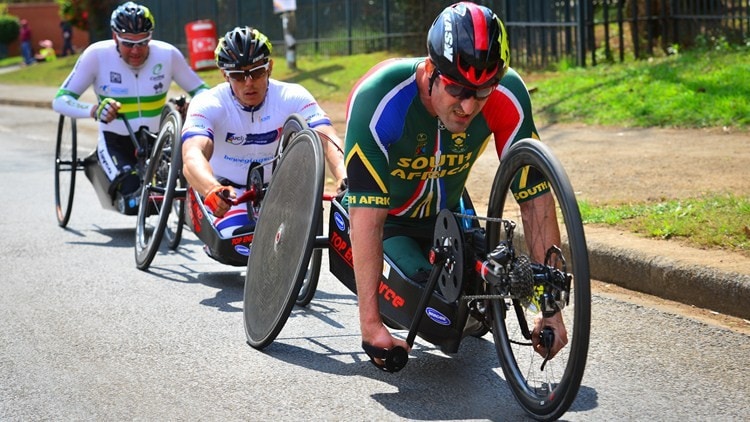
Road
Road Race (Men & Women)
Individual Time Trial (Men & Women)
Handcycling Relay
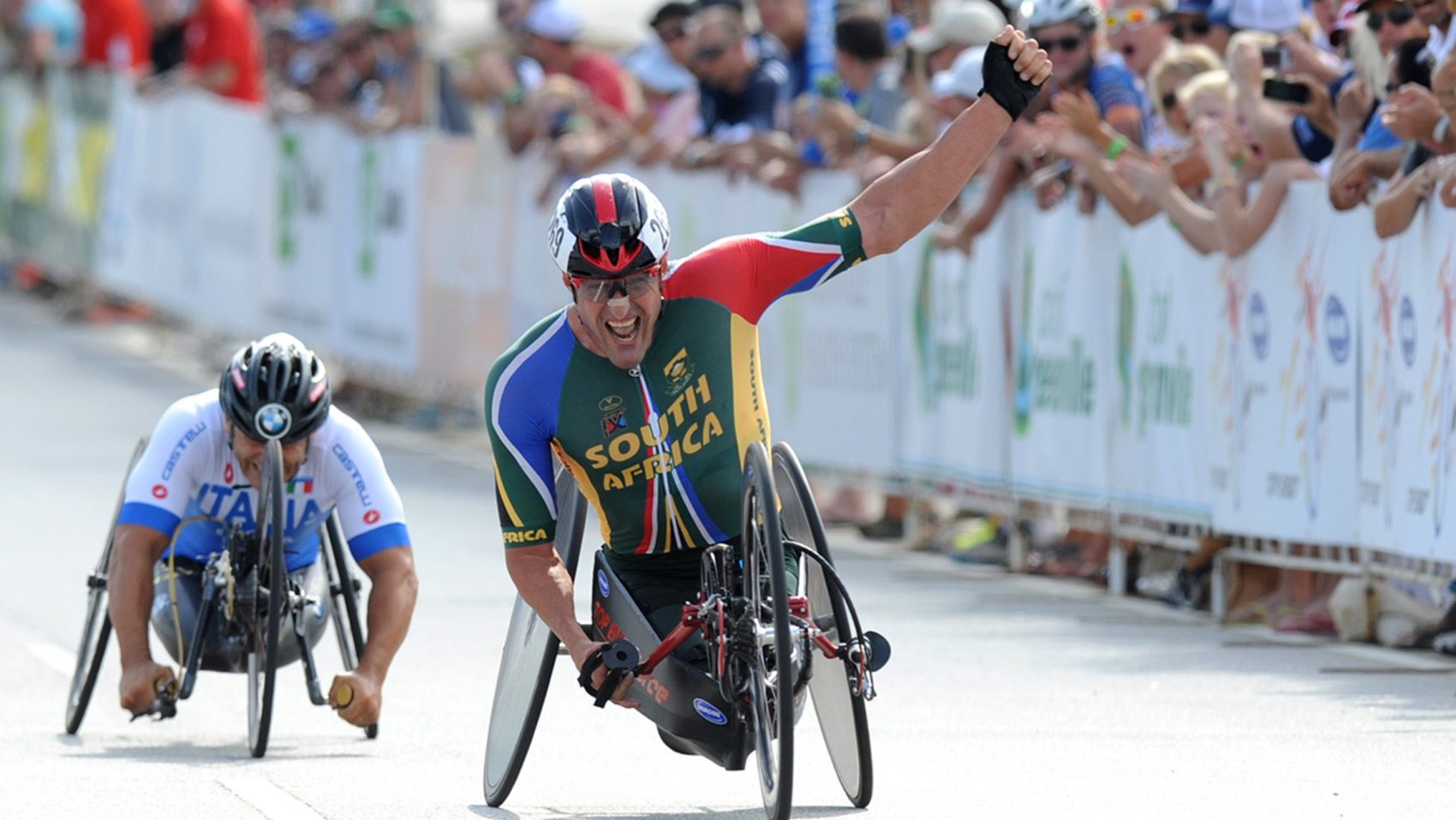
Track
Tandem Sprint (Men)
Team Sprint (Men & Women, Mixed)
500m Time Trial (Women & some Men categories) / Kilometre Time Trial (Men & some Women categories)
Individual Pursuit (Men & Women)
Classification & Divisions
Divisions
-
B – Tandem
For blind or visually impaired riders (pilot + stoker). -
C – Standard Bicycles
Traditional bicycles, sometimes adapted; for riders with mild brain injury, limb impairments, or amputations. -
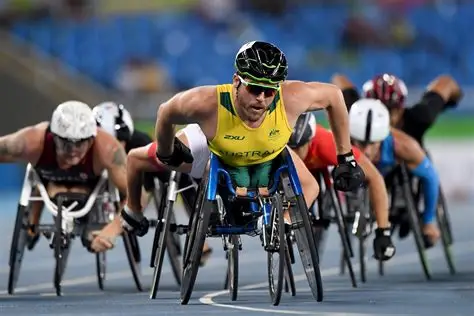
H – Handcycles
For paraplegic, tetraplegic riders or unilateral/bilateral amputees. -
T – Tricycles
For riders with brain injuries or those requiring extra stability.
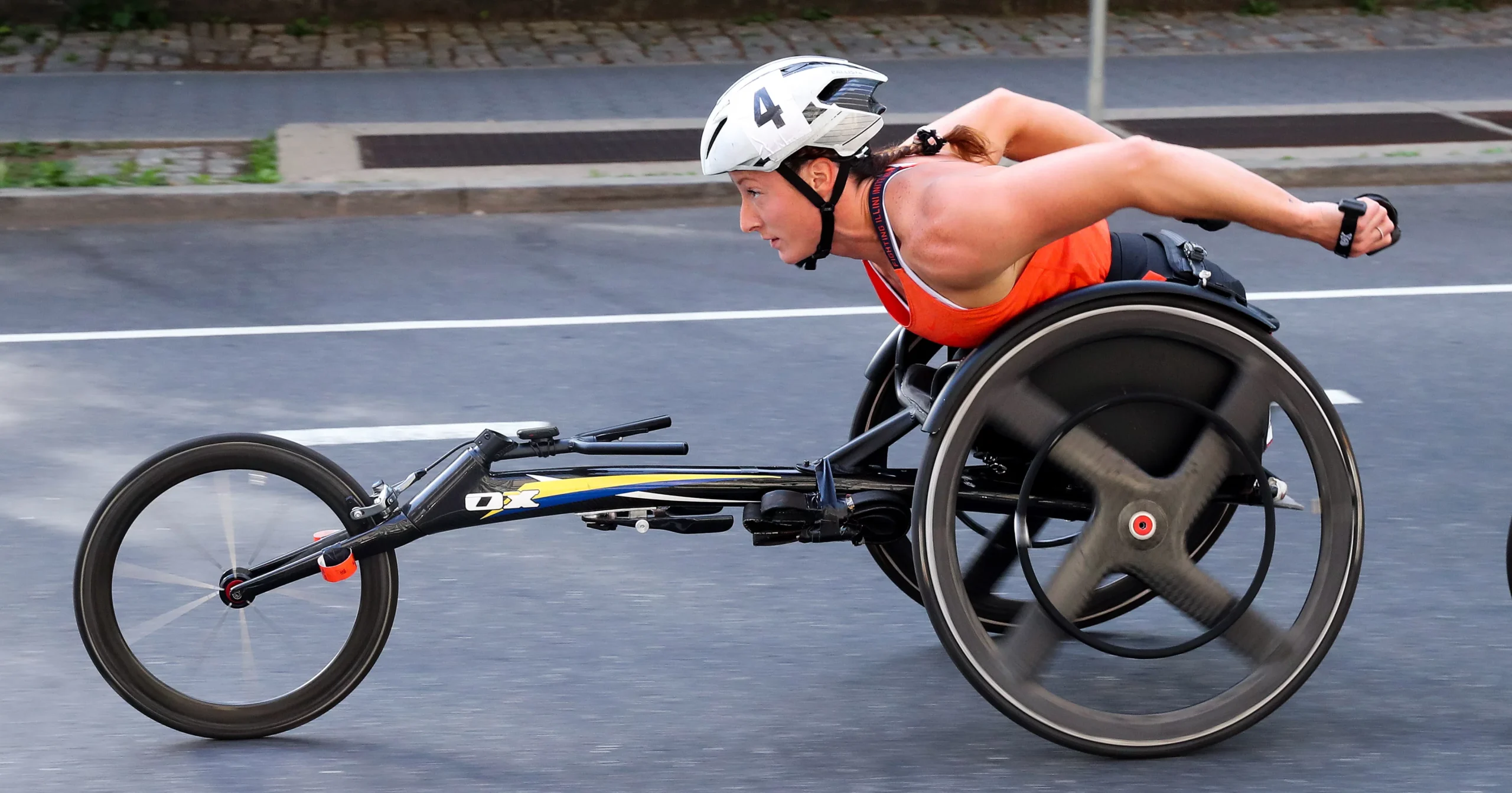
Sport Classes (Men & Women)
-
B
-
C1, C2, C3, C4, C5
-
H1, H2, H3, H4, H5
-
T1, T2
Each athlete is placed in the appropriate class based on their functional profile as defined by UCI regulations.
Para-Cycling Sponsors
Help us grow inclusive high-performance cycling across Gauteng. Apply for Para-Cycling sponsorships to feature your logo, description and website on this page and at events. Visibility across athletes, clubs and supporters—don’t miss the first wave of 2026 partnerships.
- The 7th Nihon Fukushi University Night Track & Field Meet
 on July 28, 2026
The 7th Nihon Fukushi University Night Track & Field Meet Anonymous (not verified) Tue, 28/07/2026 - 11:00 Website Name The 7th Nihon […]
- NAGASE Cup 2026on July 28, 2026
NAGASE Cup 2026 Anonymous (not verified) Tue, 28/07/2026 - 10:45 Website Name NAGASE Cup 2026 Start Date […]
- 74th Japan Corporate Teams Athletics Championshipson July 28, 2026
74th Japan Corporate Teams Athletics Championships Anonymous (not verified) Tue, 28/07/2026 - 10:45 Website Name 74th Japan Corporate […]
- 2026 BC Summer Provincial Championshipson July 28, 2026
2026 BC Summer Provincial Championships Anonymous (not verified) Tue, 28/07/2026 - 10:15 Website Name 2026 BC Summer Provincial […]
- Schweizer Meisterschaften U20/U23 (WRC)on July 27, 2026
Schweizer Meisterschaften U20/U23 (WRC) Anonymous (not verified) Mon, 27/07/2026 - 11:30 Website Name Schweizer Meisterschaften U20/U23 […]
- Schweizer Meisterschaften U16/U18 (WRC)on July 27, 2026
Schweizer Meisterschaften U16/U18 (WRC) Anonymous (not verified) Mon, 27/07/2026 - 11:30 Website Name Schweizer Meisterschaften U16/U18 […]
FAQ
Which para-cycling categories exist?
B (tandem for a visually-impaired stoker with a sighted pilot), C (two-wheeled bicycles, C1–C5), H (handcycles, H1–H5) and T (tricycles, T1–T2). Road includes time trial and road race; track includes pursuit, kilo/500 m, sprint/omnium (where offered).
How does classification work for racing eligibility?
Riders must hold a current UCI/CSA classification (sport class and status) shown on their licence. National events accept Confirmed or Review status; class and equipment must match the sport class on the day.
What equipment rules should I know?
Approved helmet always; two working brakes (except handcycles where front brake rules differ by design); bar-end plugs fitted; no fairings or aerodynamic body shells; adaptations are allowed only to compensate for impairment and must be safe. Commissaires may reject unsafe or non-compliant setups.
What are the key tandem and handcycle specifics?
Tandems race as class B with a sighted pilot (same sex in championships), standard track/road gearing, no clip-on tri bars in mass-start road races. Handcycles race H1–H5; recumbent position per class rules, no drafting behind vehicles, and start procedures often use ramps in time trials.
What support is allowed during races?
Only in designated feed/tech zones on road courses; outside assistance elsewhere is forbidden. On track, assistance is limited to regulated start/holder help. Anti-doping rules apply at all times (CSA/SADA/WADA).